For men, few things are as vital as vigor and vitality. Below is a tiered ranking of foods often touted for boosting libido and sexual health, assessed based on their nutritional science, cost-effectiveness, and overall impact.
F-Tier: Not Recommended
- Deer Antler Velvet

Nutritional components are mostly common protein, minerals, and fat. Studies on athletic performance showed no difference compared to the general exercise group. It’s expensive due to advertising, and extracts often have an extremely low actual content.
- Black Goat
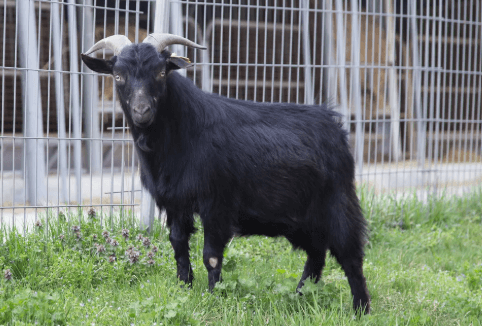
Nutritionally, it is not superior to beef or pork. There is no reason to buy expensive traditional health tonics (extracts) made from it.
E-Tier : Edible, But Overrated
- Eel
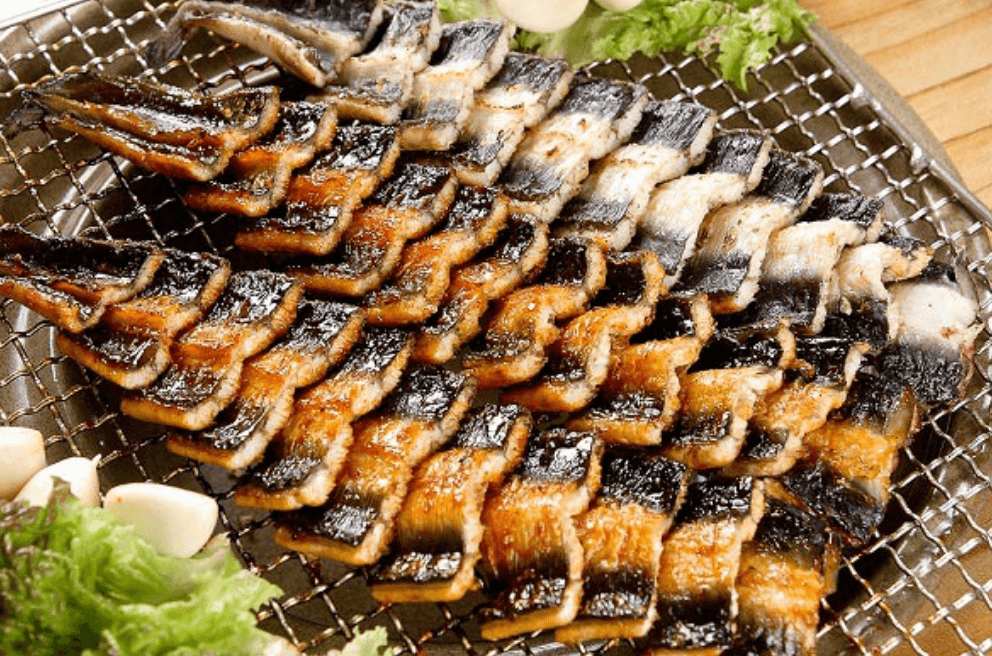
The tail is overrated; the body has higher protein and Vitamin A content. Nutritionally, it’s similar to chicken thigh. Ranked E-Tier due to its very high price relative to its mediocre nutritional benefit.
D-Tier : Works, But Poor Value
- Black Garlic
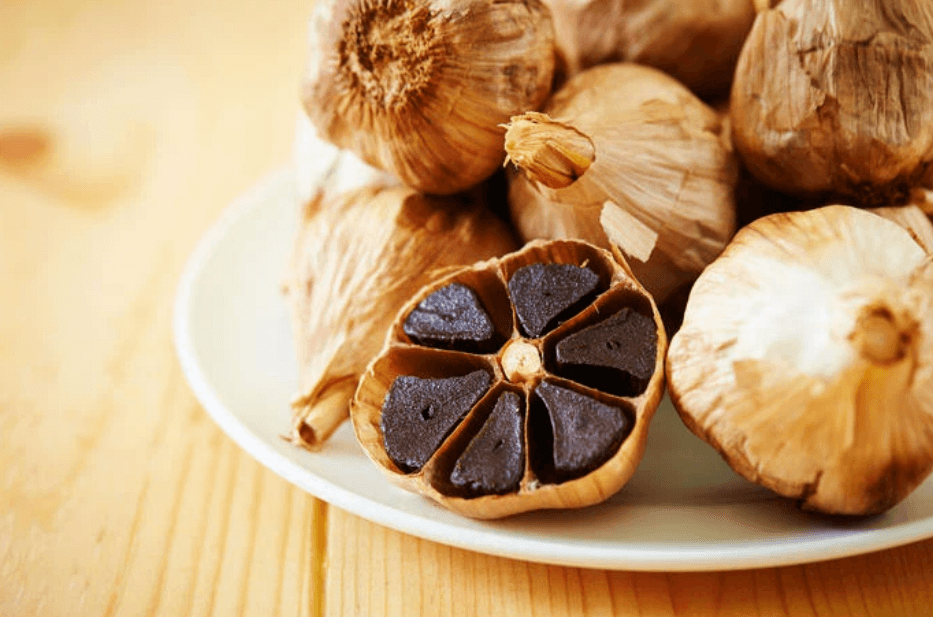
Aging increases S-Allylcysteine, which is excellent for antioxidation and vascular health. However, it is four times more expensive than regular garlic, lacks high Zinc/Anthocyanin content, resulting in poor value.
- Herbal wine made with Lespedeza cuneata
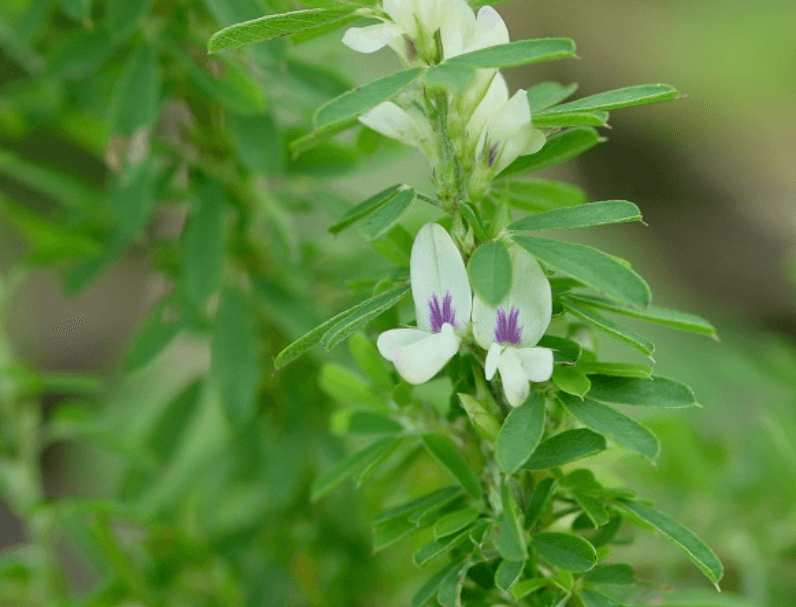
Science suggests it can help improve vascular health. However, it’s primarily consumed as an herbal liqueur (Damgeumju), meaning the benefits are negated by the alcohol, which is detrimental to vascular health.
C-Tier: Decent Support
- Beans / Tofu / Bean Sprouts
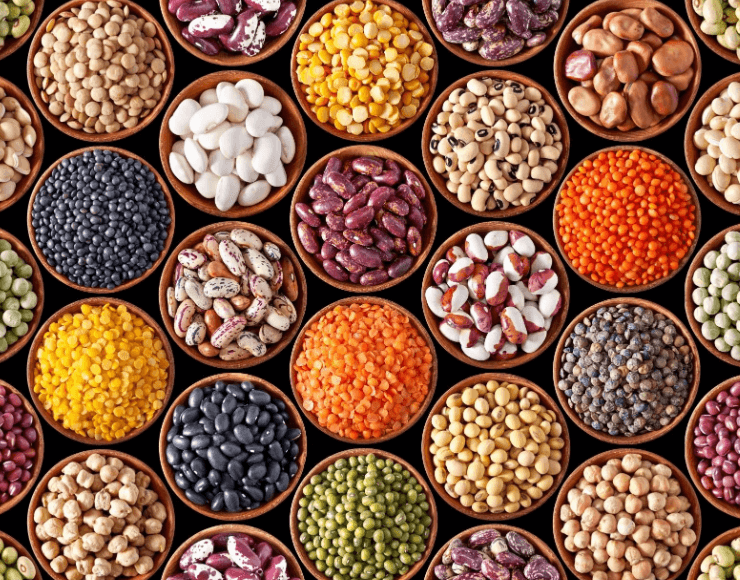
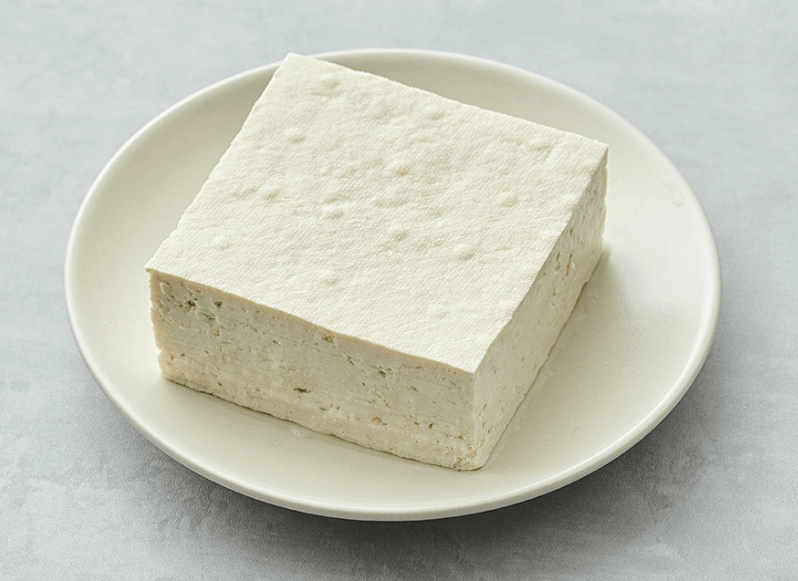
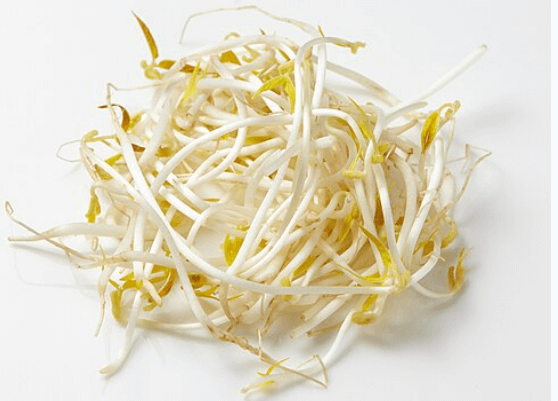
Recent studies have disproven the claim that isoflavones reduce libido. They are inexpensive, healthy, and contain arginine, which helps improve blood circulation, making them a positive addition to the diet.
- Bracken
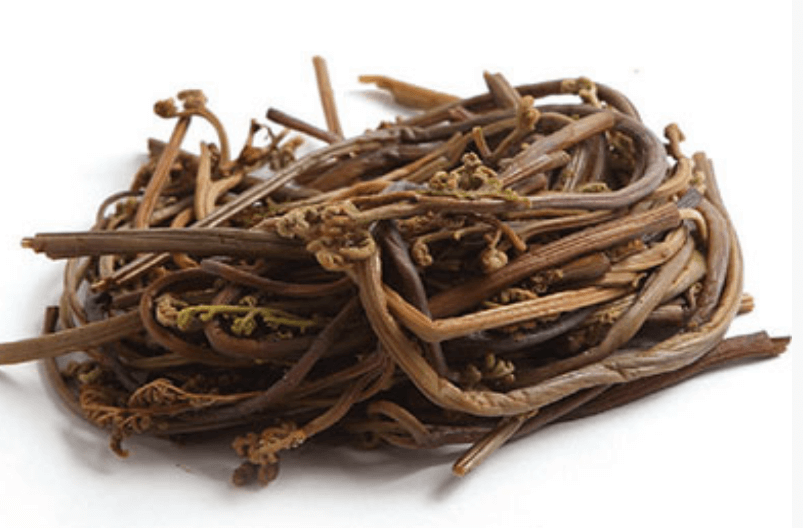
There is no evidence that it reduces libido. In fact, dried bracken is relatively high in zinc. Although the amount typically consumed is small, so it doesn’t rank very high, it’s important to note that it is not a libido-suppressing food.
B-Tier: Effective, But High Price
- Korean Red Ginseng (Hongsam)

A well-known health food. Ginsenosides (especially RG3, generated from steaming/drying) broadly help with immunity, blood circulation, and fatigue. Acknowledged benefits and the placebo effect are significant, but the high cost-to-benefit ratio for libido enhancement specifically is questionable.
A-Tier: Scientifically Recommended & Cost-Effective
- Oysters
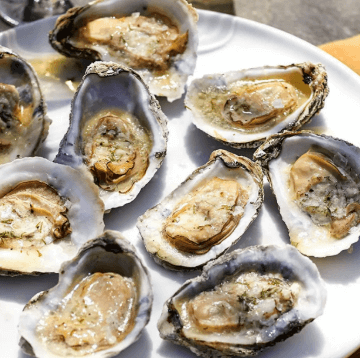
It ranks first among all foods in terms of zinc content. Zinc is an essential nutrient for testosterone secretion, sperm production, and semen formation. However, since it is at its best only in winter and carries risks such as norovirus infection and limited accessibility, it is rated as Grade A rather than Grade S.
S-Tier: The Peak Performance Providers
- Blueberries (including Korean black raspberries)
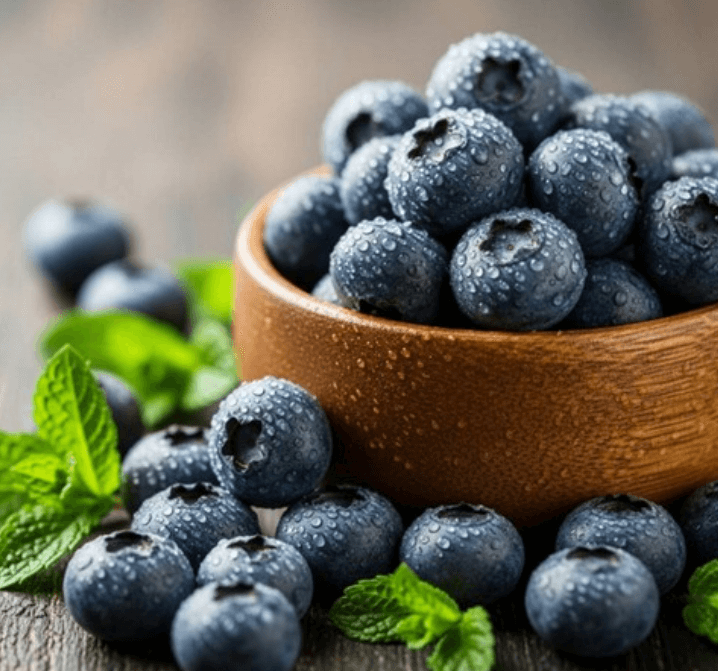
It is one of the world’s top 10 superfoods. Rich in polyphenols, especially anthocyanins, it has been shown to help with erectile dysfunction. According to a Harvard study, groups with high anthocyanin intake had a 9% lower risk of developing erectile dysfunction. In particular, Korea’s bokbunja (Korean black raspberry) has been found to contain the highest levels of anthocyanins compared to other types of berries.
In conclusion

While these foods can help boost male vitality, simply eating them is not enough. Basic health management is essential for real results.

-Quit alcohol and smoking.
-Maintain a balanced diet with the right ratio of carbs, protein, and fats, and include whole grains like brown rice.
-Consume a variety of proteins, including seafood.
-Keep your weight in check and exercise regularly.

These lifestyle habits are far more effective than any supplement for improving immunity, fighting fatigue, and enhancing sexual health.