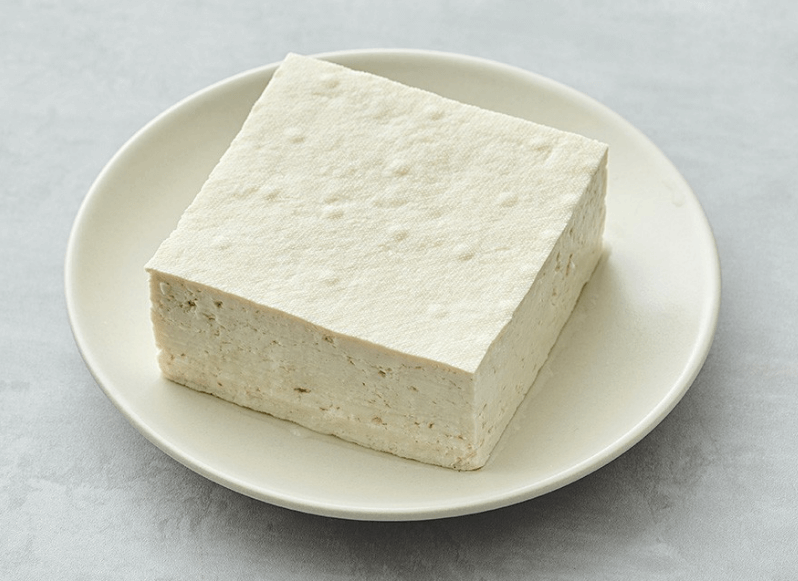
Tofu is a beloved low-calorie, high-protein staple, especially for those on a diet. If you want to use tofu effectively in your meal plan, it’s essential to understand its precise nutritional value and recommended serving sizes.
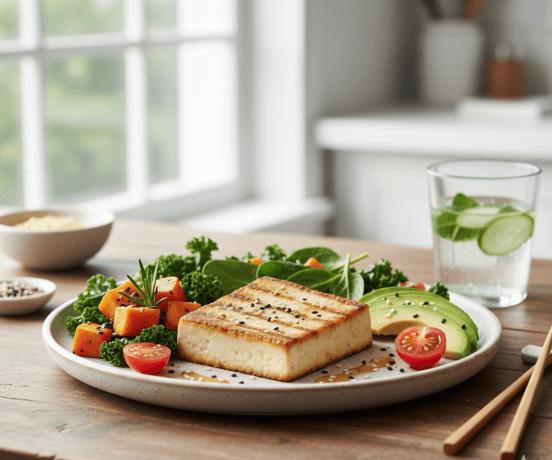
Tofu’s Unique Health and Diet Advantages
Tofu isn’t just filling—it’s a powerful food that addresses common dietary needs, especially for modern lifestyles.
| Benefit Category | Detailed Explanation | Diet & Health Impact |
| Easy Digestion | As a curdled soybean product, tofu is easily digestible, making it an excellent choice even for individuals experiencing digestive issues. | Facilitates nutrient absorption and is gentle on the stomach, making it easy to stick to a healthy eating plan. |
| Low-Calorie, High-Protein | A 100g serving of soft tofu is roughly 45 calories and is very low in carbohydrates. | Ideal for weight management, supporting muscle maintenance and growth. |
| Healthy Fats | The fat content in tofu is exceptional: about 80% of the fats are unsaturated fatty acids (the healthy kind). | Contributes positively to cardiovascular health. It’s a simple, effective way to get beneficial fats without relying solely on nuts or oils. |
Expert Guidance on Optimal Tofu Intake
A common question is whether you can eat tofu every day. The answer is yes, absolutely!
- Best Use: Tofu is highly nutritious and easily digestible, making it a perfect meal replacement. Use it instead of starches or other less nutrient-dense foods.
- Calculating the Safe Limit:
- Based on the World Health Organization’s (WHO) recommendation for daily fat intake (under 30% of total calories), a person consuming 2,000 calories can safely consume about 66.7g of fat per day.
- The video’s analysis shows that, based purely on fat content, you could consume a surprisingly high amount of tofu. However, realistically, substituting meals with 5 to 6 small packets of soft tofu per day is a safe and effective amount for dieting or general health.
- Addressing the Iodine Concern (Phytic Acid): Tofu contains saponins, which are sometimes claimed to inhibit iodine absorption. While the specific iodine intake levels vary widely by diet and location (especially in regions with high seafood consumption), for the general population, you don’t need to worry about iodine deficiency from eating a reasonable amount of tofu. Maintain a balanced diet that includes varied protein and vegetable sources to ensure adequate nutrient intake.
Smart Tips for Purchasing and Storing Tofu
Because tofu is highly perishable, proper storage is key to maximizing its freshness.
- Check the Use-By Date: Tofu spoils quickly at room temperature. Always check the packaging for the “Use By” or “Consume By” date (which is often around 23 days from manufacture for packaged tofu) and ensure strict refrigeration.
- Recommended Purchase Methods:
- Standard Block Tofu: If you don’t consume large amounts quickly, buy a standard block from your local grocery store and use it shortly after opening.
- Small, Individual Packages: For easier meal prep and portion control, consider purchasing individually portioned soft tofu packs online or in the refrigerated section of your supermarket. These are convenient for grab-and-go meals or single-serving recipes.
By using this accurate information, you can integrate tofu into your meals smartly and enjoy a healthy, sustainable diet!